
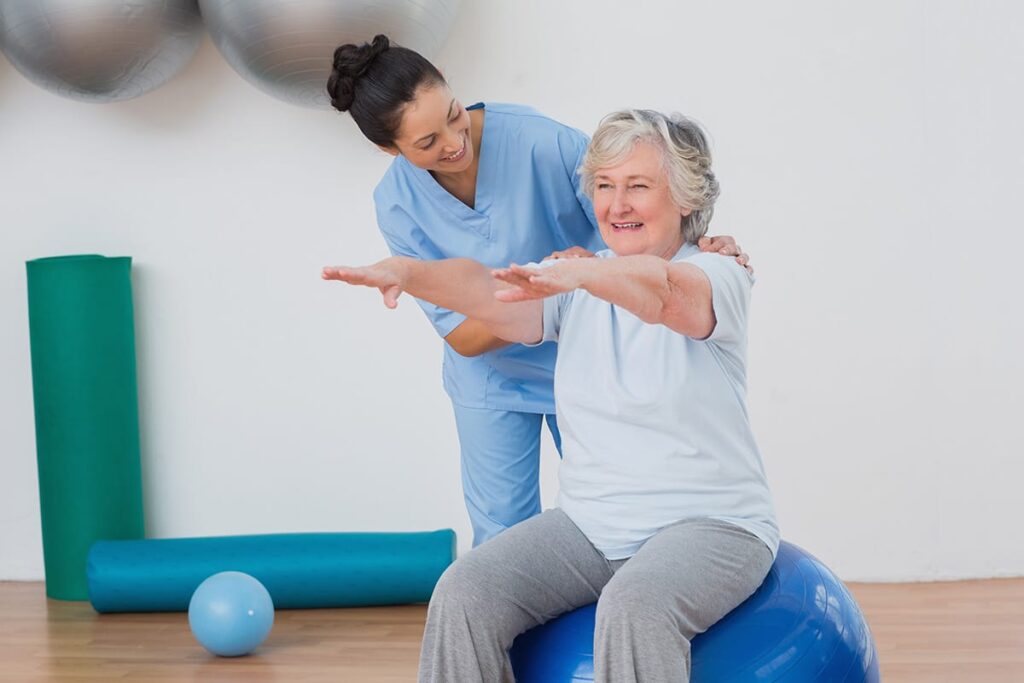
A Look at Senior Physical Therapist Responsibilities
Within a nursing home setting, physical therapists work with residents with physical disabilities or limitations resulting from injuries, surgeries, acute illnesses, chronic health conditions, or general aging. Some specific senior physical therapist responsibilities include the following:- Conducting assessments to evaluate a resident’s abilities, limitations, and needs
- Developing individualized treatment plans
- Implementing and guiding residents through exercises, stretches, and other therapeutic interventions
- Assisting residents with the proper use of equipment such as wheelchairs, walkers, canes, or grab bars
- Monitoring progress and adjusting treatment as needed
- Educating residents and family members on strategies for preventing falls, managing pain, and improving mobility
- Collaborating with other members of the healthcare team to ensure comprehensive treatment
- Documenting progress and communicating findings to the healthcare team and families
What Are the Types of Physical Therapy for Seniors?
Depending on individual needs and conditions, several types of physical therapy can benefit seniors. The following is a brief description of standard physical therapy approaches:- Geriatric physical therapy – This type of PT is specifically designed for seniors and focuses on increasing balance and overall strength to reduce the risk of falls and improve gross physical functioning.
- Orthopedic physical therapy – Ortho PT is designed to treat injuries to the musculoskeletal system and help recover from surgeries, arthritis, osteoporosis, or general joint pain.
- Cardiopulmonary physical therapy – PT for seniors with heart or lung conditions, designed to improve endurance and breathing capacity.
- Neurological physical therapy – For seniors with a stroke or neurological conditions such as Parkinson’s or dementia, this type of PT helps individuals adapt to and accommodate for impairments that interfere with completing activities of daily living (ADLs).
- Aquatic physical therapy – The buoyancy of water reduces joint stress, making this form of PT particularly beneficial for seniors with arthritis and other joint problems.
Expected Benefits of Physical Therapy for Seniors
Physical therapists undergo extensive education and training. They understand how the body moves and how systems within the body, including the neurological, cardiovascular, and endocrine systems, impact physical functioning and mobility. No matter the reason for needing physical therapy, expected benefits can include the following:- Decreased risk of falls
- Increased strength
- Improved mobility
- Better balance and coordination
- Reduced pain and improved ability to manage pain
- Decreased reliance on medications
- Improved cardiovascular functioning
- Faster recovery from injury, illness, or surgery